| |
 |
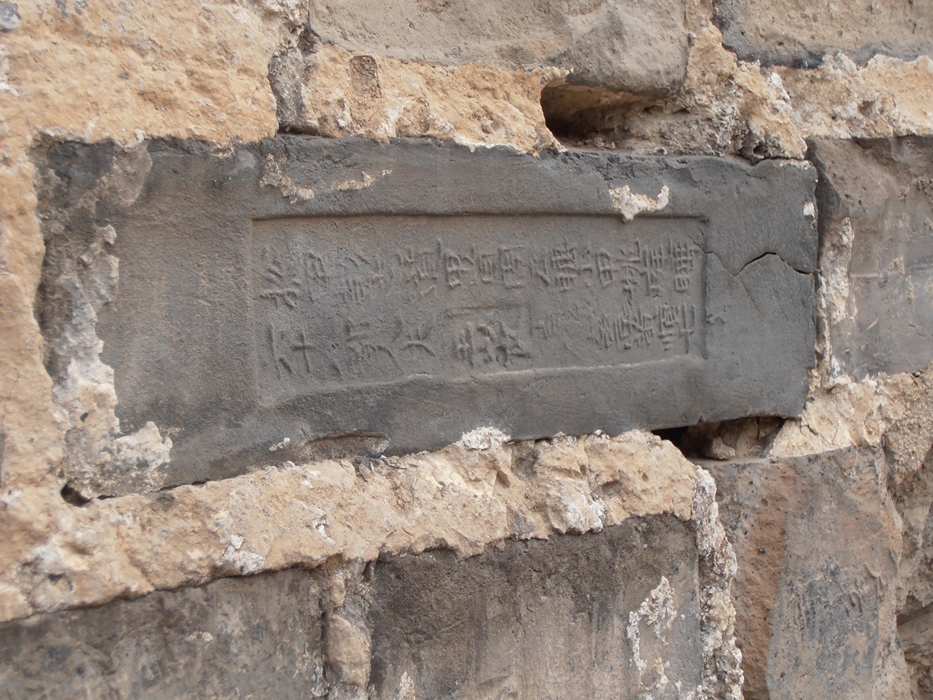 |
Stamped brick The brickmakers had to stamp their product, so the officials in charge of building the wall could hold them accountable for brick quality. |
| Some more stamped bricks | 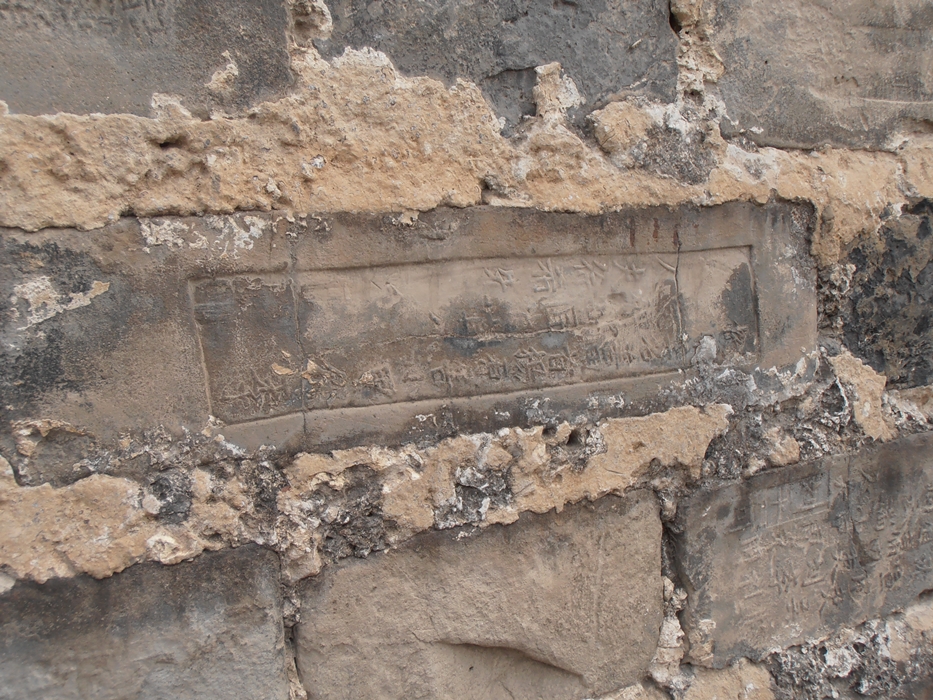 |
| New Nanjing in the haze, far away. | 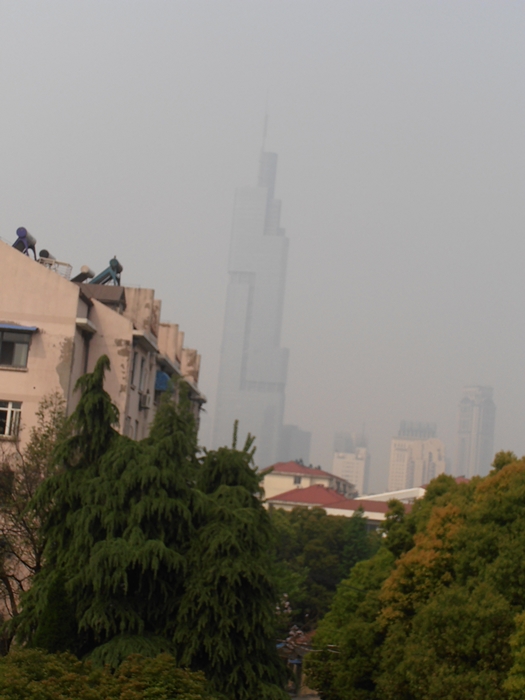
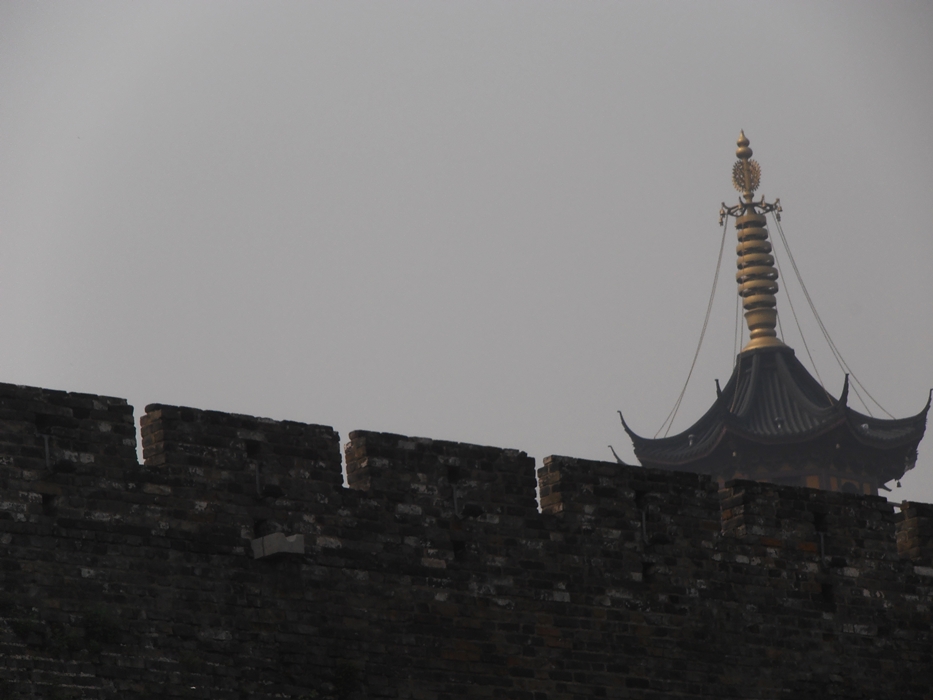
| A pagoda outside the wall. | 
|
| People doing sword Taichi in the park below the city wall. | 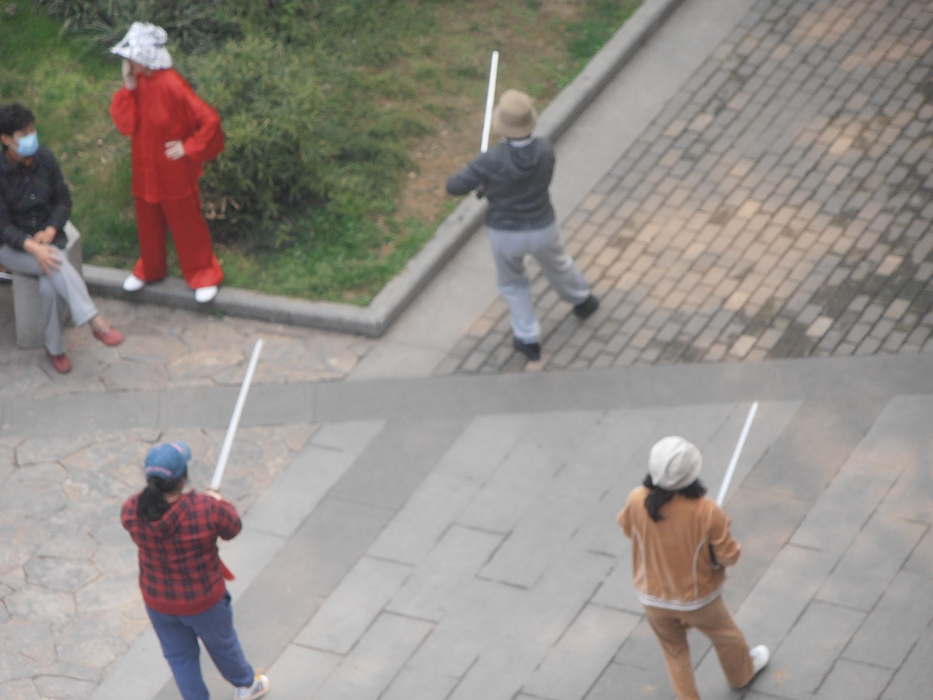 |
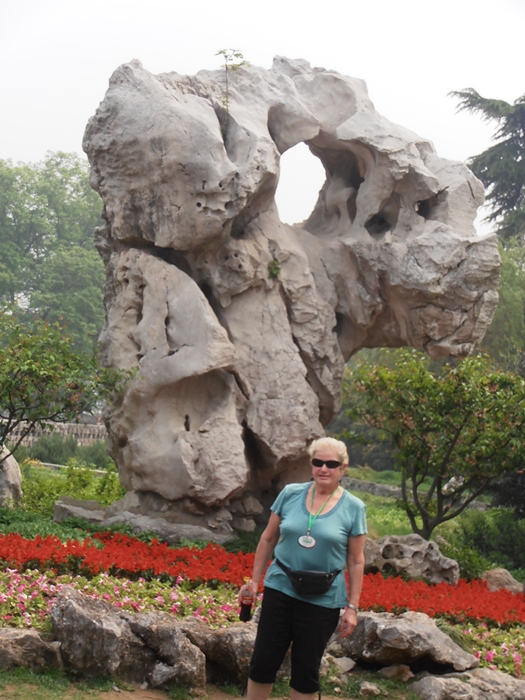 |
Beloved wife in the park. |
| The park borders a lake; industrial zone on the other side. | 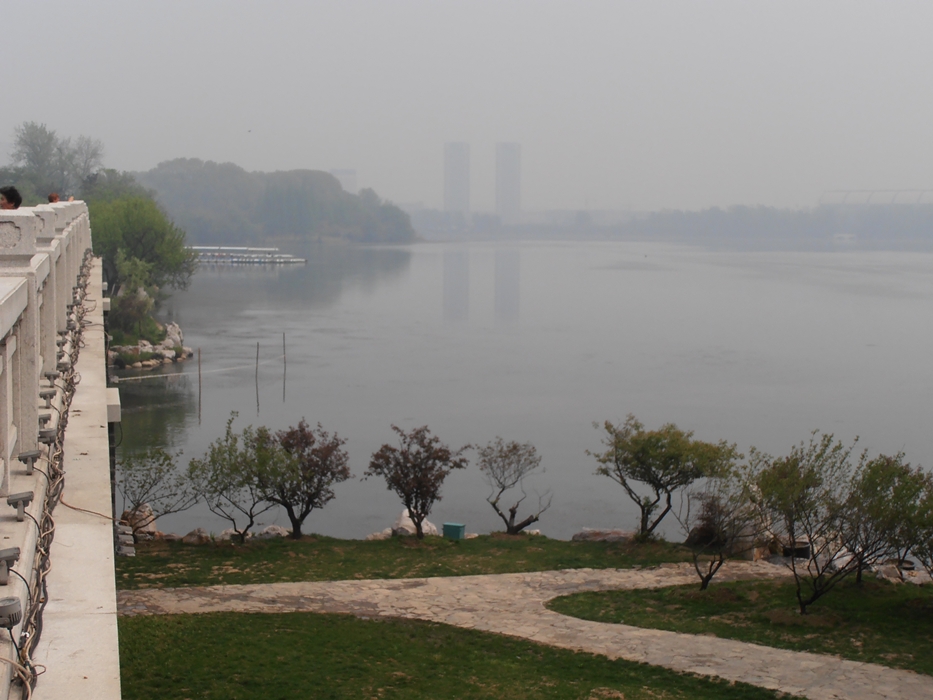 |
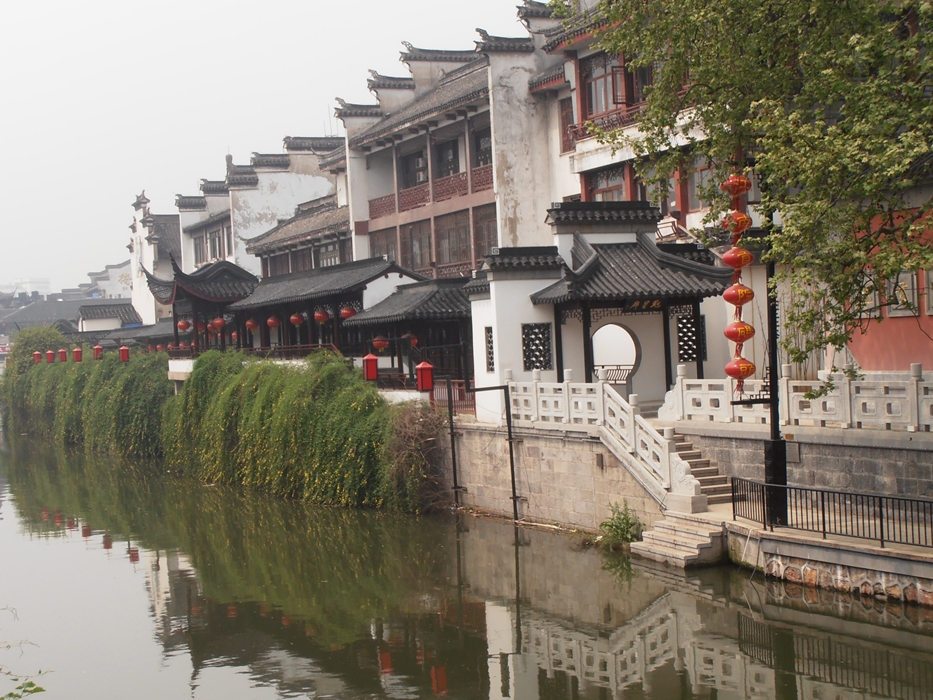 |
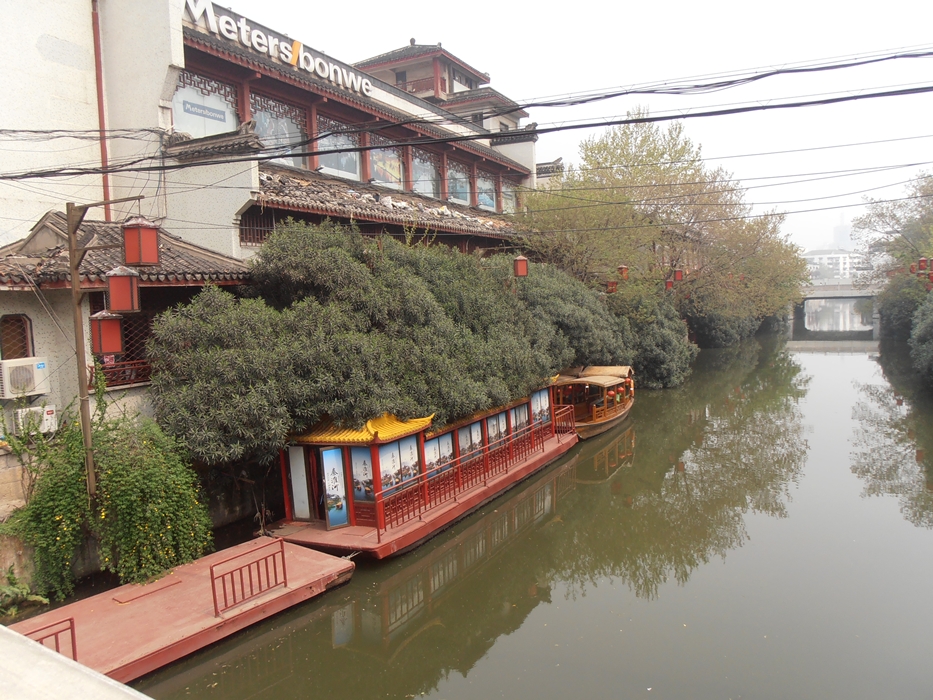
Along the canal. |
 |
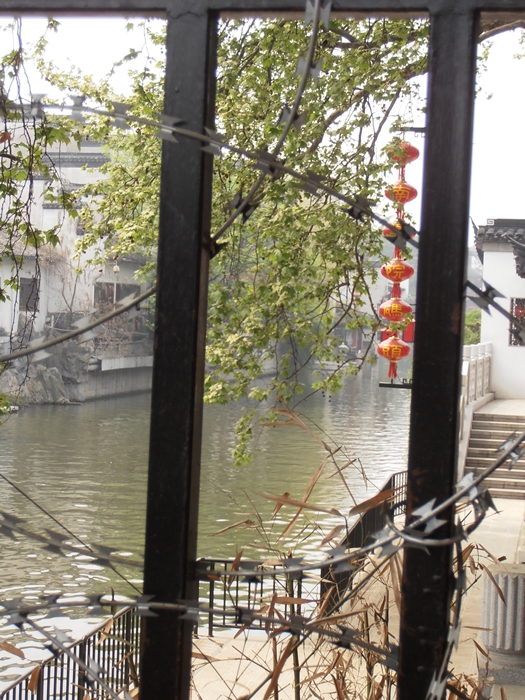
| Scenic; but why the barbed wire? | 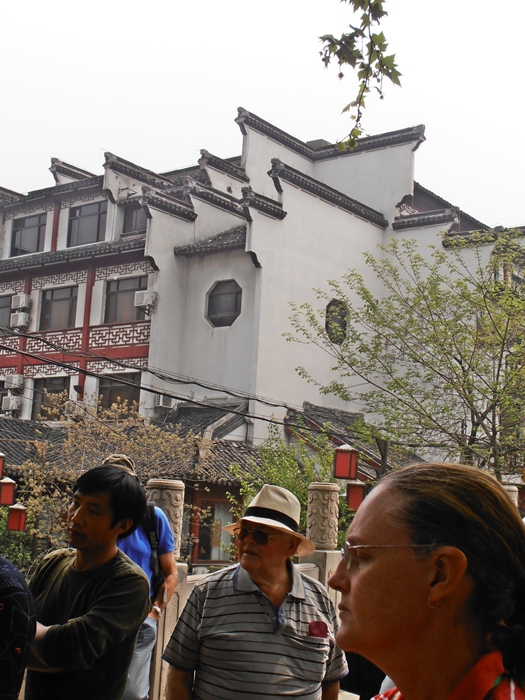
|
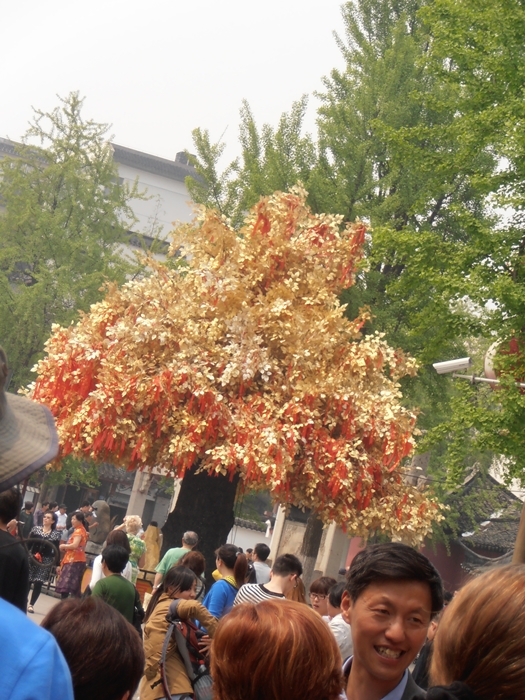 | Money tree near the shopping district. |
 |
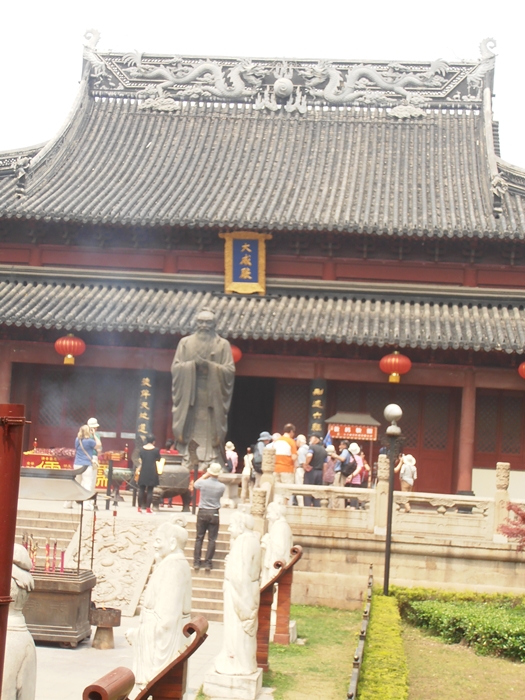 |
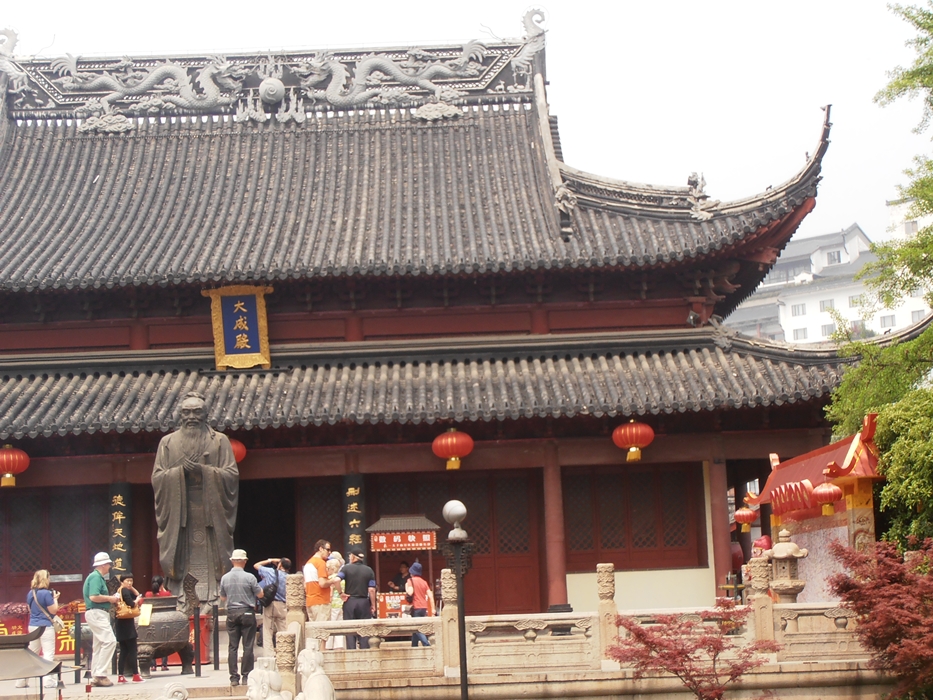
A big Confucian temple. It was also the place where the imperial exams were held. The market and business district grew around it, as families, originally, supplied food and other necessities to the candidates. |
 |
 |
|
 |
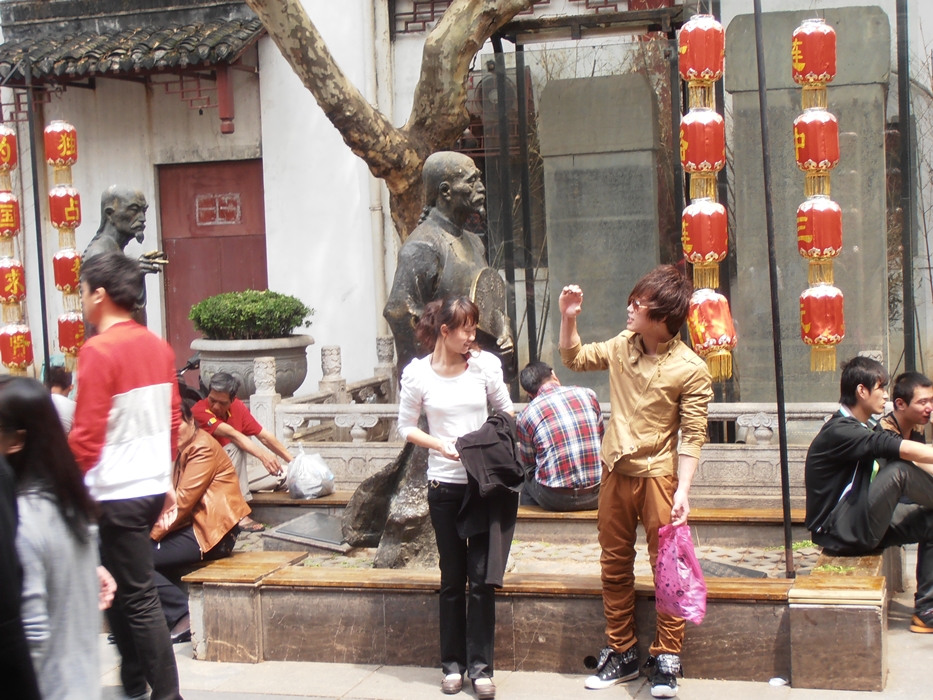 | Some more philosophers/literates/mandarins. |
| Refined trashcans. | 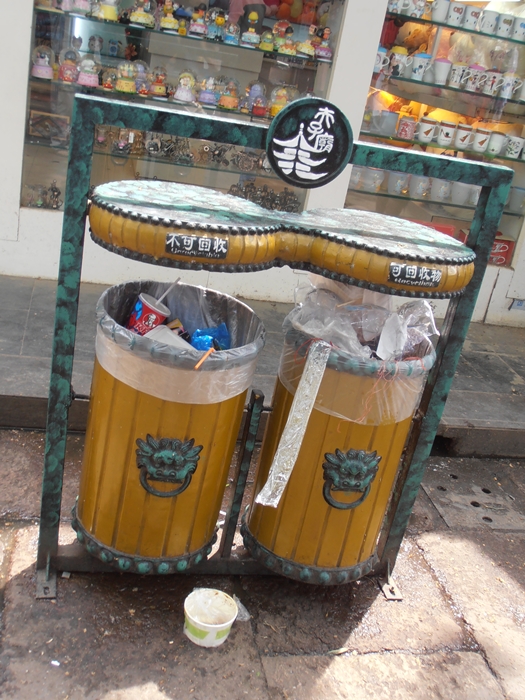 |
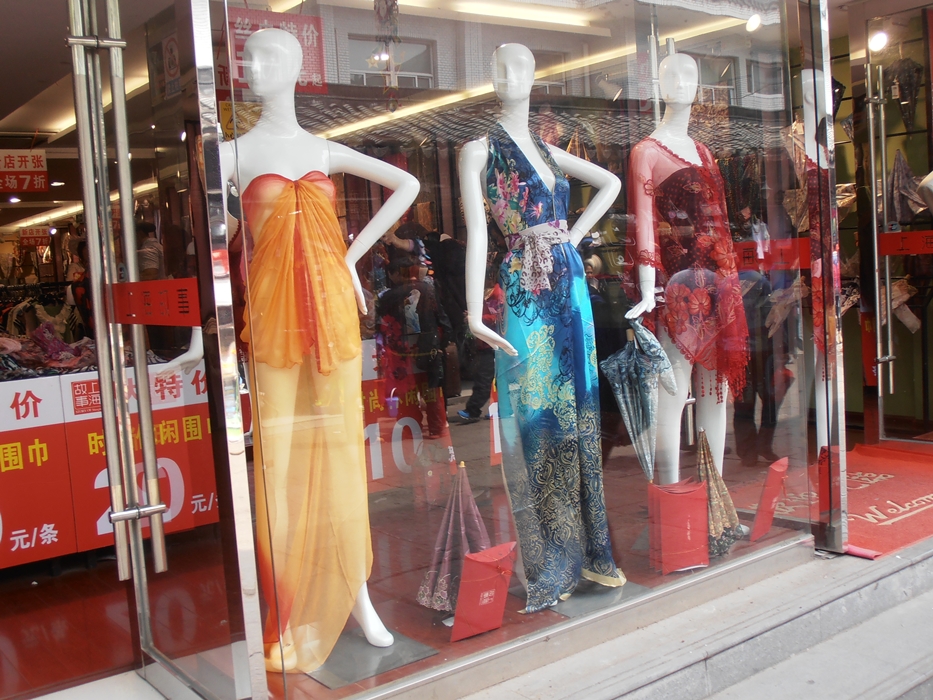 | Fancy clothing; some Chinese women dress up elegantly, even for an everyday walk in the street. |
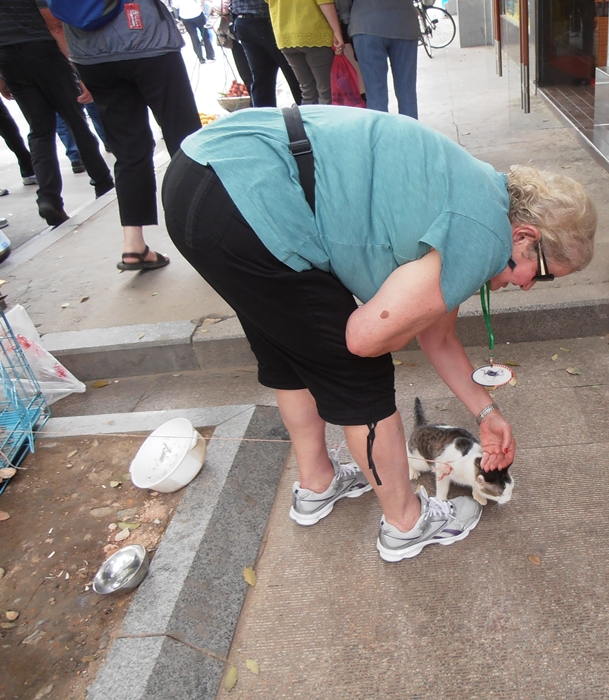
| Nanjing kitty, caged and fettered. | 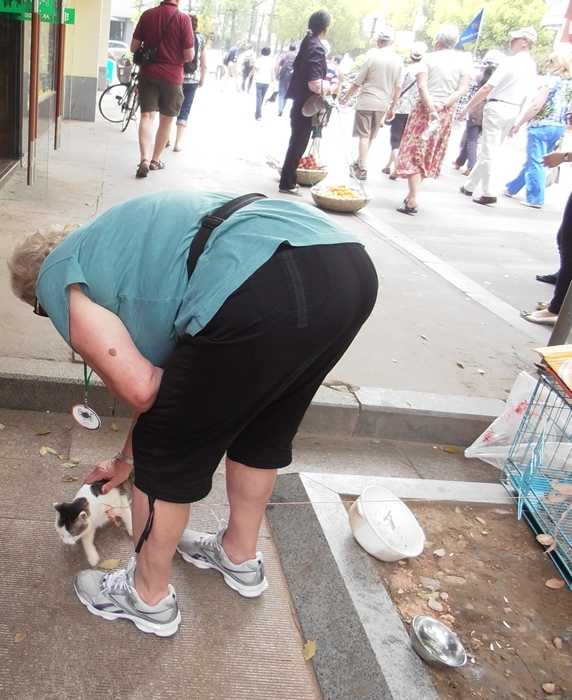
|
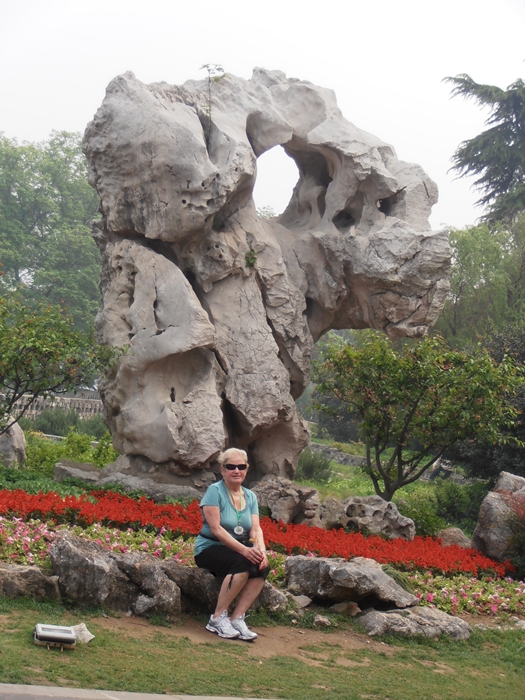 |
Maria sade sub o piatra Orientalii adora bolovanii astia, si-i pun in gradini, linga temple si palate. Pietrele sint scoase din fundul lacurilor, si transportate la mari distante. The Chinese and Vietnamese adore these craggy rocks, in particular if they have holes or other special shapes. They suggest mythical animals and fairy landscapes. More factually, the stones are dug from lakes in South China, and transported long distance, e.g. to the Forbidden City. They used to be so precious, that the provinces could pay their taxes in decorative rocks. |